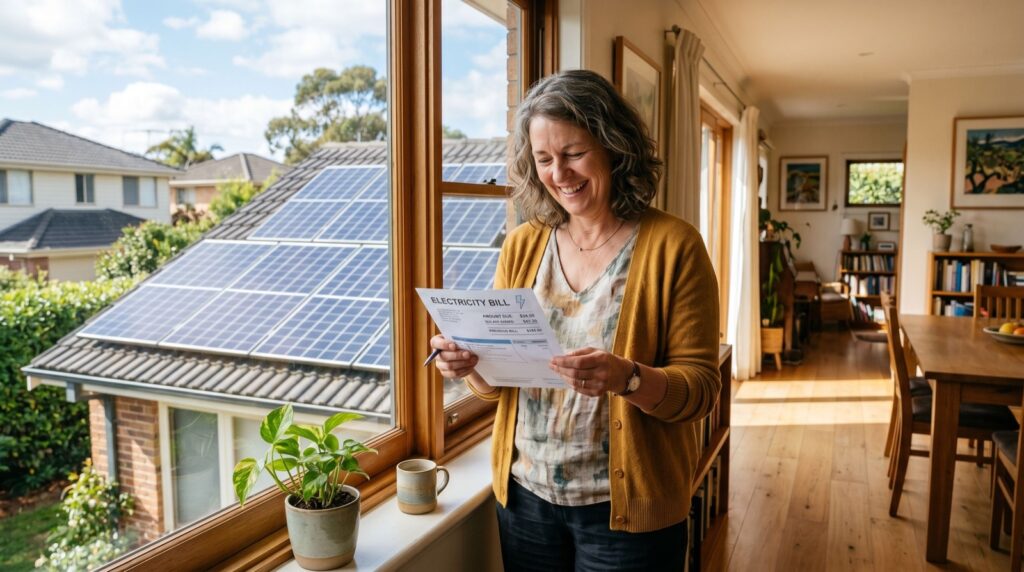
Solar power is one of those rare decisions that is good for your wallet and good for the planet at the same time. Yet for many first-time buyers, the process can feel confusing – full of technical terms, competing quotes, and big promises. This guide cuts through the jargon and gives you a clear, honest path forward, so you can invest in solar knowing exactly what you’re getting and why it’s worth it.
Few home upgrades give you back as much as solar does. Once the panels are installed on your roof, the sun quietly does the rest – trimming your bills month after month, year after year, with almost no effort on your part. But like any investment, getting it right matters. The equipment you choose, the way it’s installed, and the company you trust all shape how much you ultimately save. This guide breaks the whole process down in plain language.
Goodbye to Load-Shedding
One of the most frustrating parts of daily life in Pakistan is planning your routine around unpredictable power cuts. Paired with a battery, a solar system keeps your lights, fans, internet, and essential appliances running smoothly even when the grid goes down. For families that have grown used to sweltering through outages or scrambling to charge devices, that reliability can be worth as much as the financial savings. Your home simply keeps working, quietly and consistently, no matter what the grid is doing.
Designed for Pakistan’s Climate
With long, sunny days for most of the year, Pakistan is almost tailor-made for solar generation. A system that is properly designed for local conditions – accounting for heat, dust, and seasonal sun angles – will reward you with strong, dependable output all year round. Good installers understand these local factors and build them into their design, choosing components and layouts that thrive in the environment rather than struggle against it. The result is a system that consistently produces more, giving you better savings and faster payback. This is where a reputable solar installation makes all the difference to your results.
On-Grid, Off-Grid or Hybrid?
There are three main types of solar systems, and choosing the right one is one of your most important decisions. On-grid systems are the most affordable and work alongside the utility, using net metering to offset your bills. Off-grid systems run completely independently with battery backup, ideal where the grid is unreliable or absent. Hybrid systems give you the best of both worlds – grid connection plus battery backup for outages. The right choice depends on your budget, your location, and how often your area loses power.
Net Metering: Your Roof as a Power Plant
Net metering is one of the biggest reasons grid-tied solar pays off so quickly in Pakistan. It allows you to feed the surplus electricity your panels generate during the day back into the grid, earning credit for every unit. On bright, sunny days your meter effectively runs backward, banking energy that offsets what you draw at night. The result is that your roof becomes a small power plant, and the utility company becomes your battery – dramatically improving the economics of your whole system without any extra hardware. Reliable, experienced local expertise counts everywhere, including with experienced local team.
The Real Return on Investment
It helps to think of solar less as an expense and more as prepaying years of electricity at a steep discount. Most well-designed home systems recover their full cost within a few years, and then continue delivering essentially free power for two decades or more. Few investments available to an ordinary household offer that combination of certainty, longevity, and steadily rising value as grid prices climb. When you run the numbers over the life of the system, solar consistently outperforms leaving your money in the bank.
Backup You Can Count On
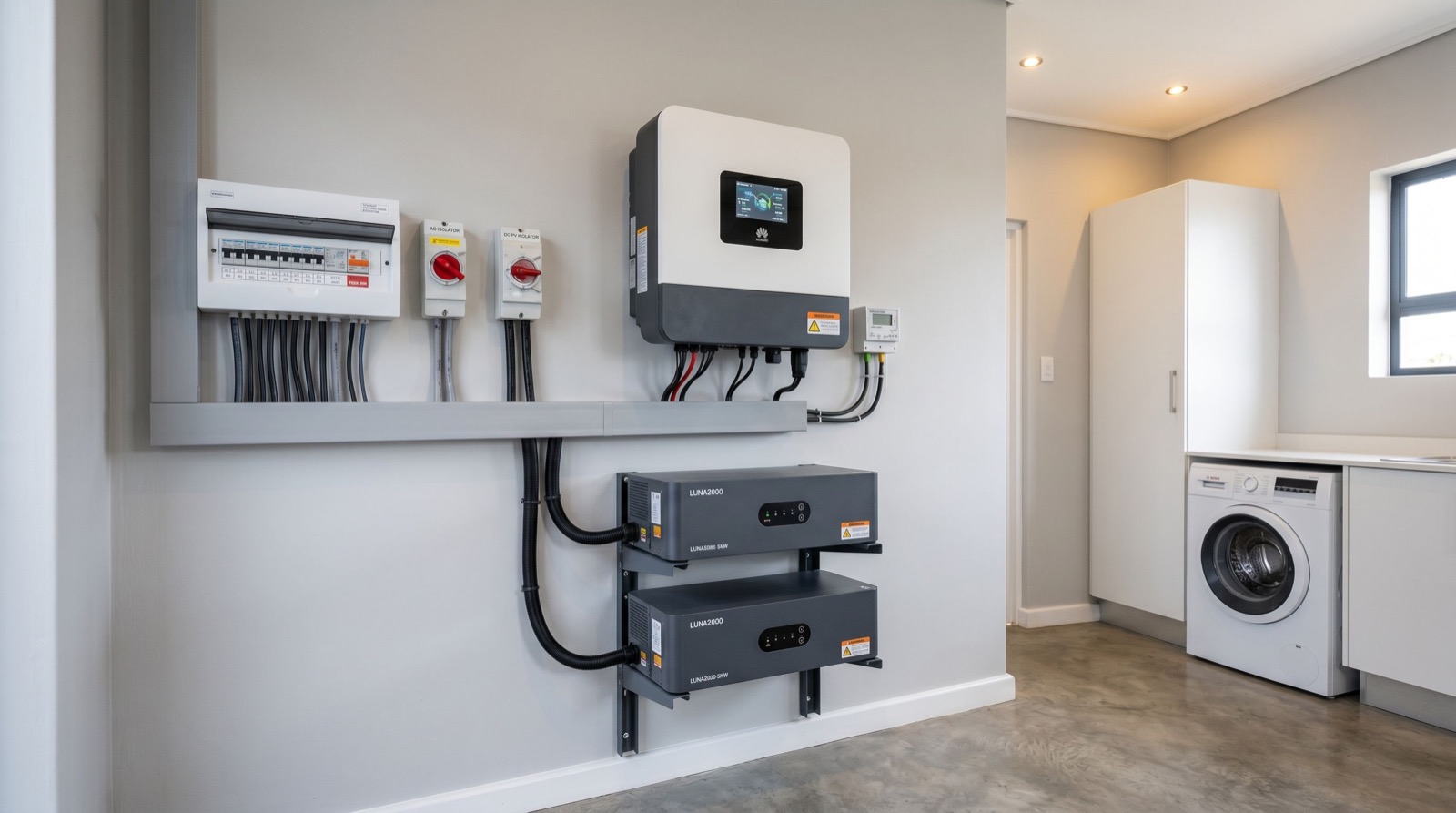
Battery technology has advanced enormously in recent years. Modern lithium batteries are compact, safe, long-lasting, and increasingly affordable, storing the sunshine you collect by day so your home stays powered after dark or during an outage. For households in areas with frequent load-shedding, adding storage transforms solar from a bill-reduction tool into a complete energy solution. You gain true peace of mind, knowing your essentials will keep running smoothly whatever happens with the grid – and that reassurance is difficult to put a price on. For a system that performs reliably for decades, choosing the solar company in Kohat is what matters most.
Understanding How Solar Works
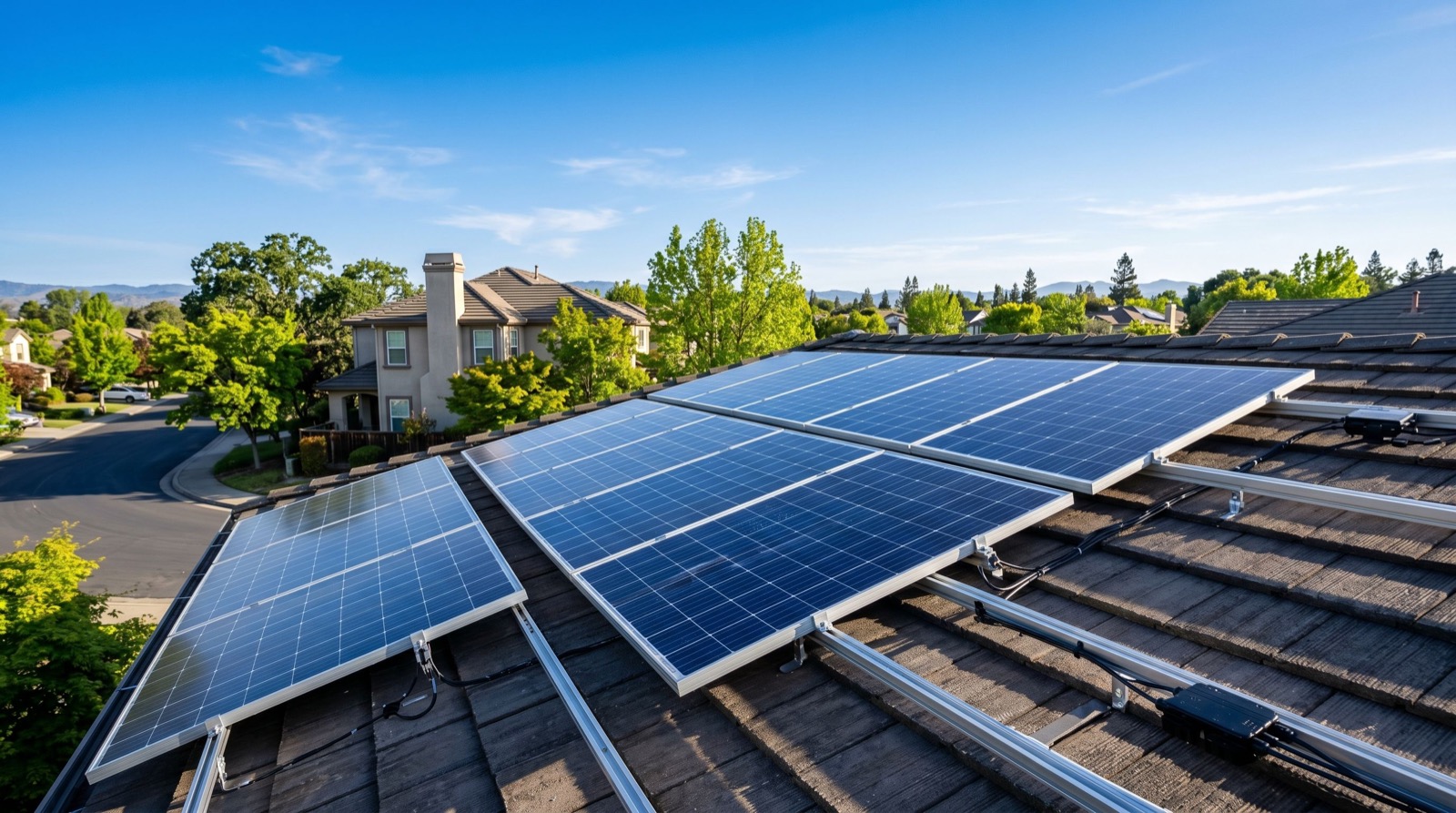
The core idea behind solar is refreshingly simple. Panels on your roof capture sunlight and convert it into direct-current electricity. An inverter then transforms that into the alternating current your home actually uses. Any power you don’t use immediately is either stored in a battery for later or exported to the grid. A good installer designs this whole chain – panels, inverter, wiring, and optional battery – around your real usage patterns, so nothing is wasted and every component is sized correctly for your home.
Key Takeaways
- Goodbye to Load-Shedding: One of the most frustrating parts of daily life in Pakistan is planning your routine around unpredictable power cuts.
- Designed for Pakistan’s Climate: With long, sunny days for most of the year, Pakistan is almost tailor-made for solar generation.
- On-Grid, Off-Grid or Hybrid?: There are three main types of solar systems, and choosing the right one is one of your most important decisions.
- Net Metering: Your Roof as a Power Plant: Net metering is one of the biggest reasons grid-tied solar pays off so quickly in Pakistan.
- The Real Return on Investment: It helps to think of solar less as an expense and more as prepaying years of electricity at a steep discount.
- Backup You Can Count On: Battery technology has advanced enormously in recent years.
The Bottom Line
Solar is no longer a gamble or an experiment; it’s a proven, practical upgrade for any home that wants lower bills and dependable power. Do your homework, choose quality over the cheapest quote, and lean on experienced professionals. Do that, and your roof will be working hard for you and your family for many years to come.
The sun is free – the real trick is capturing it properly. Get the equipment, the design, and the installer right, and a rooftop system will quietly reward you year after year with clean, reliable, low-cost power. If you’ve been sitting on the fence, there has genuinely never been a better time to take the first step.