Dog Poop Bag Guide 2026: Eco-Friendly Disposal Without the Guesswork
Every responsible owner reaches for a dog poop bag several times a day, yet few stop to think about which bag they use or where it ends up. In 2026, sustainability and hygiene finally meet in the pet aisle, and the choice you make matters more than you might expect. This guide explains the real differences between bag types, what “biodegradable” actually means, and how to dispose of waste in a way that is both clean and responsible.
From material claims to disposal myths, there is a lot of confusion out there. Let’s cut through it so you can pick a dog poop bag with confidence.
Consider the scale of the decision. A single dog can require well over a thousand bags a year, so the small choice you make in the pet aisle multiplies into a significant footprint over time. That is exactly why it pays to get it right once rather than defaulting to whatever roll is cheapest. A thoughtful choice, repeated daily, adds up to a meaningful difference for both your wallet and the environment.
Not All Dog Poop Bags Are Equal
The bag market ranges from flimsy dollar-store rolls to certified compostable options. Understanding the categories helps you avoid greenwashing and leaks alike.
- Standard plastic: Cheap and strong but slow to break down.
- Oxo-degradable: Fragments into microplastics rather than truly decomposing.
- Biodegradable: Breaks down under the right conditions, though timelines vary.
- Certified compostable: Meets defined standards and breaks down in proper facilities.
The word “biodegradable” alone means little without conditions attached. A bag only degrades as intended in the right environment, which is why disposal method matters as much as the bag itself.
Strength Still Comes First
Eco-credentials mean nothing if a bag tears on the walk home. A quality Dog poop bag balances durability with responsible materials, giving you a leak-proof carry without sacrificing your values. Always prioritize puncture resistance and a reliable seal, then choose the greenest option that still holds up.
Comparing Bag Types at a Glance
| Bag Type | Strength | Environmental Impact | Best For |
|---|---|---|---|
| Standard plastic | High | Slow to break down | Budget-focused owners |
| Oxo-degradable | Moderate | Leaves microplastics | Generally best avoided |
| Biodegradable | Moderate to high | Lower, condition-dependent | Eco-minded daily use |
| Certified compostable | Moderate | Lowest with proper facility | Composting programs |
For most owners, a strong biodegradable bag hits the sweet spot between reliability and responsibility.
How Should You Dispose of Dog Waste Responsibly?
Bagging is only step one. Disposal method determines the real environmental outcome. The U.S. Environmental Protection Agency classifies pet waste as a pollutant that carries bacteria and nutrients into waterways when left on the ground, so bagging and binning is far better than leaving it behind. However, most compostable bags only break down in commercial facilities, not home compost or landfills.
Follow these responsible-disposal rules:
- Always pick up waste promptly, even in your own yard.
- Never flush bagged waste or place it in storm drains.
- Bin sealed bags unless your city offers a pet-waste composting program.
- Never leave bagged waste on trails or curbs to “grab later.”
Composting Dog Waste Safely
Dog waste should never go in a garden compost used for food crops, because it can carry pathogens. Some municipalities run dedicated pet-waste composting or digester programs that handle it safely. For guidance on safe handling and disposal, the ASPCA is a trustworthy starting point.
Pairing Bags With the Right Tools
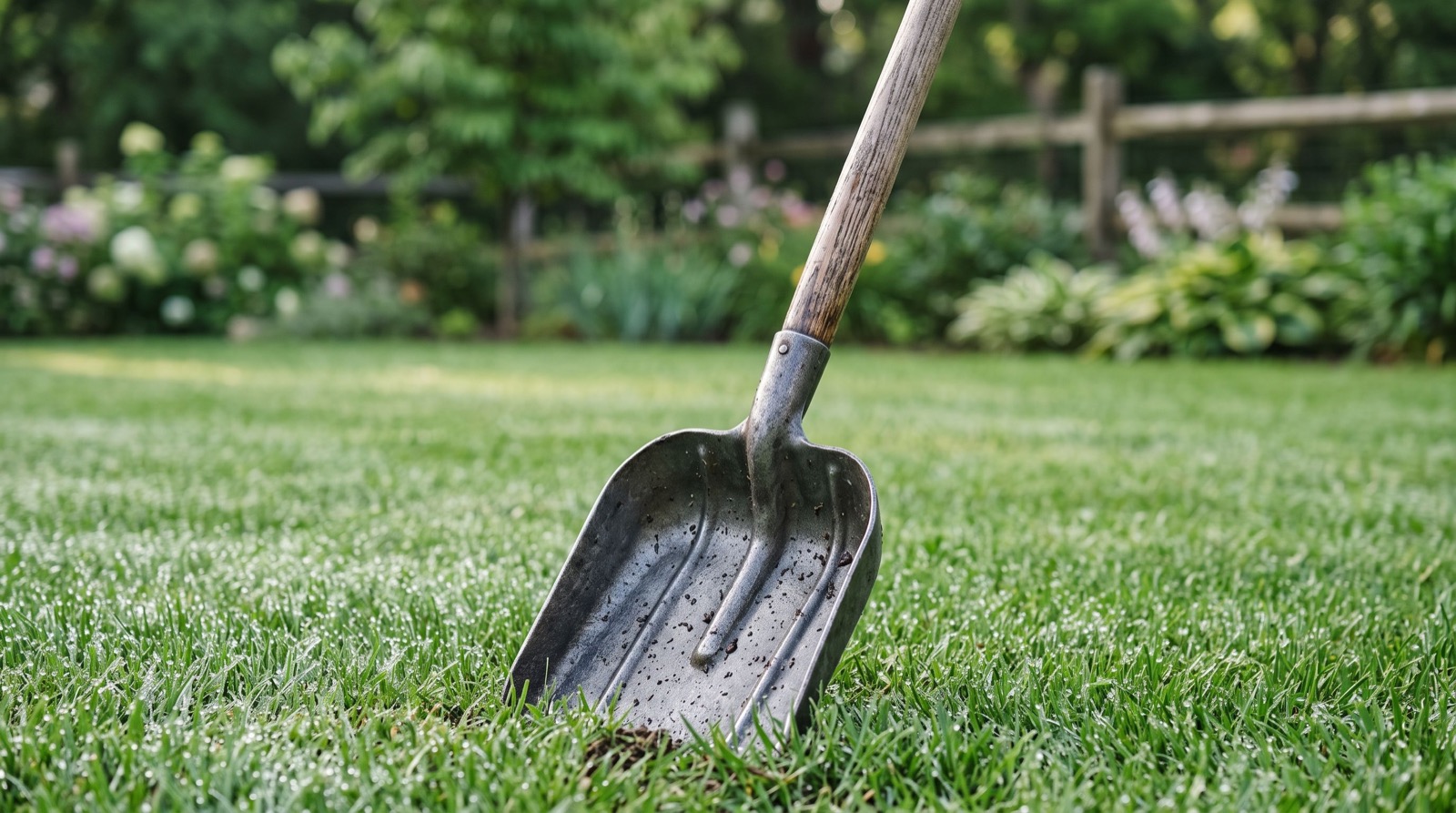
A great bag works best alongside a solid pickup tool. Whether you scoop by hand on walks or use a long-handled tool in the yard, the bag is your containment layer. Owners with large yards often combine strong bags with periodic help from a Pooper scooper company for deep cleans, then handle daily pickup themselves with eco-friendly bags.
When to Call for Help
If your yard has fallen behind or you simply want a hands-off option, trusted professionals can manage removal and disposal for you. Ask how they handle waste, since responsible disposal should extend to any service you hire, not just the bags you buy.
Decoding the Labels on Dog Poop Bags
Marketing language on bag packaging can be genuinely misleading. Learning to read the fine print helps you avoid paying a premium for empty claims.
Watch for vague terms like “eco” or “green” with no certification behind them, which mean nothing on their own. Look instead for recognized compostability standards and clear guidance on how and where the bag actually breaks down. A truly compostable bag will tell you it needs a commercial facility, not just a backyard pile. If a label promises the bag vanishes anywhere, be skeptical, because decomposition always depends on conditions.
The Hidden Cost of Cheap Bags
Bargain rolls tempt every budget-conscious owner, but the math often does not favor them. A thin bag that tears wastes a second bag, ruins a walk, and can expose you to the very pathogens you are trying to contain. When you factor in doubled usage and the occasional mess, a slightly pricier durable bag frequently costs less per successful pickup. Quality here is not indulgence, it is efficiency.
- Count real usage: If you double-bag cheap ones, you are using twice as many.
- Factor in failures: A single torn bag on a nice outfit changes the value equation fast.
- Weigh the health cost: Leaks mean direct contact with bacteria and parasites.
One practical insight: buy the strongest responsible bag you can afford, then use it confidently. The peace of mind of a leak-proof, sealed pickup is worth far more than the few cents you save on flimsy alternatives.
Frequently Asked Questions
Are biodegradable dog poop bags really better?
They can be, but only if disposed of correctly. Many break down only in commercial facilities, so pair them with proper disposal and prioritize strength to prevent leaks.
Can I compost dog waste at home?
Not in a compost used for food gardens, since it may carry pathogens. Use a dedicated pet-waste digester or a municipal program designed for the purpose.
Can I flush dog waste bags?
No. Never flush bags or place them in storm drains. Seal waste in a strong bag and dispose of it in the appropriate bin or program.
What makes a good dog poop bag?
Puncture resistance, a reliable seal, and responsible materials. Choose the greenest option that still holds up reliably on walks and during disposal.
Final Thoughts
Choosing the right dog poop bag in 2026 is about balancing strength, sustainability, and proper disposal. Skip the microplastic-shedding options, favor durable biodegradable or certified compostable bags, and dispose of waste through the right channels. Pair your bags with a solid pickup routine, and you protect both your home and the environment, one responsible pickup at a time.