Solar Panel Cost in Pakistan 2026: Real Payback Explained
Understanding the true solar panel cost in Pakistan is the first step toward cutting your electricity bill for good. In 2026, rising grid tariffs and a maturing local market have made rooftop solar one of the smartest investments a Rawalpindi or Islamabad household can make. This guide breaks down real prices, honest payback periods, and the numbers that actually matter before you sign a contract.
Rather than throwing vague slogans at you, we will walk through system sizes, component pricing, and the monthly savings that families report after switching. By the end, you will know exactly what a fair quote looks like and how quickly your panels pay for themselves.
What Drives Solar Panel Cost in Pakistan?
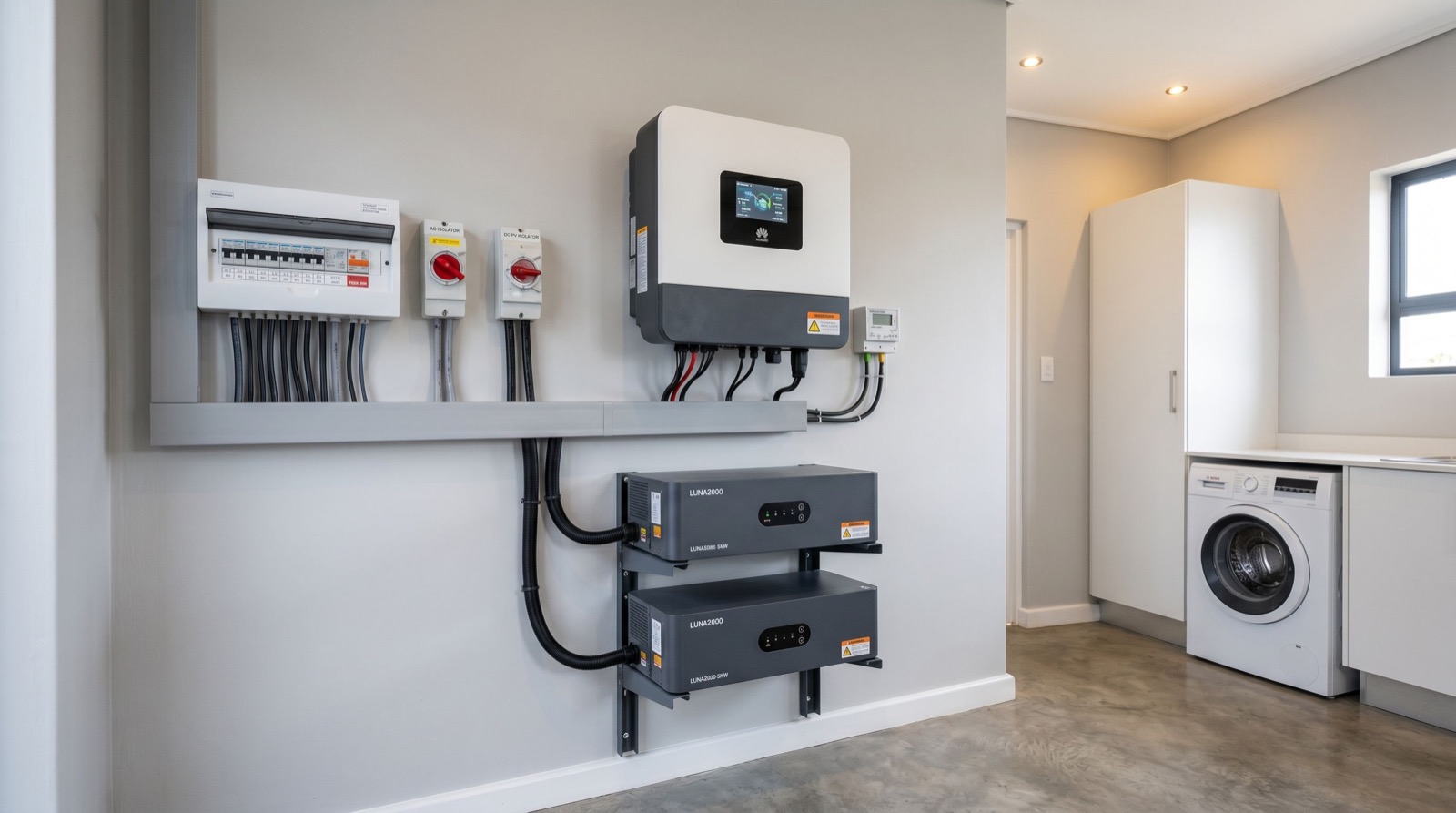
The headline price of a system depends on four things: panel wattage, inverter type, battery backup, and installation quality. Cheap quotes usually cut corners on mounting structures or use refurbished inverters, which fail within a few monsoon seasons. A durable install costs a little more upfront but saves you from repeat repairs.
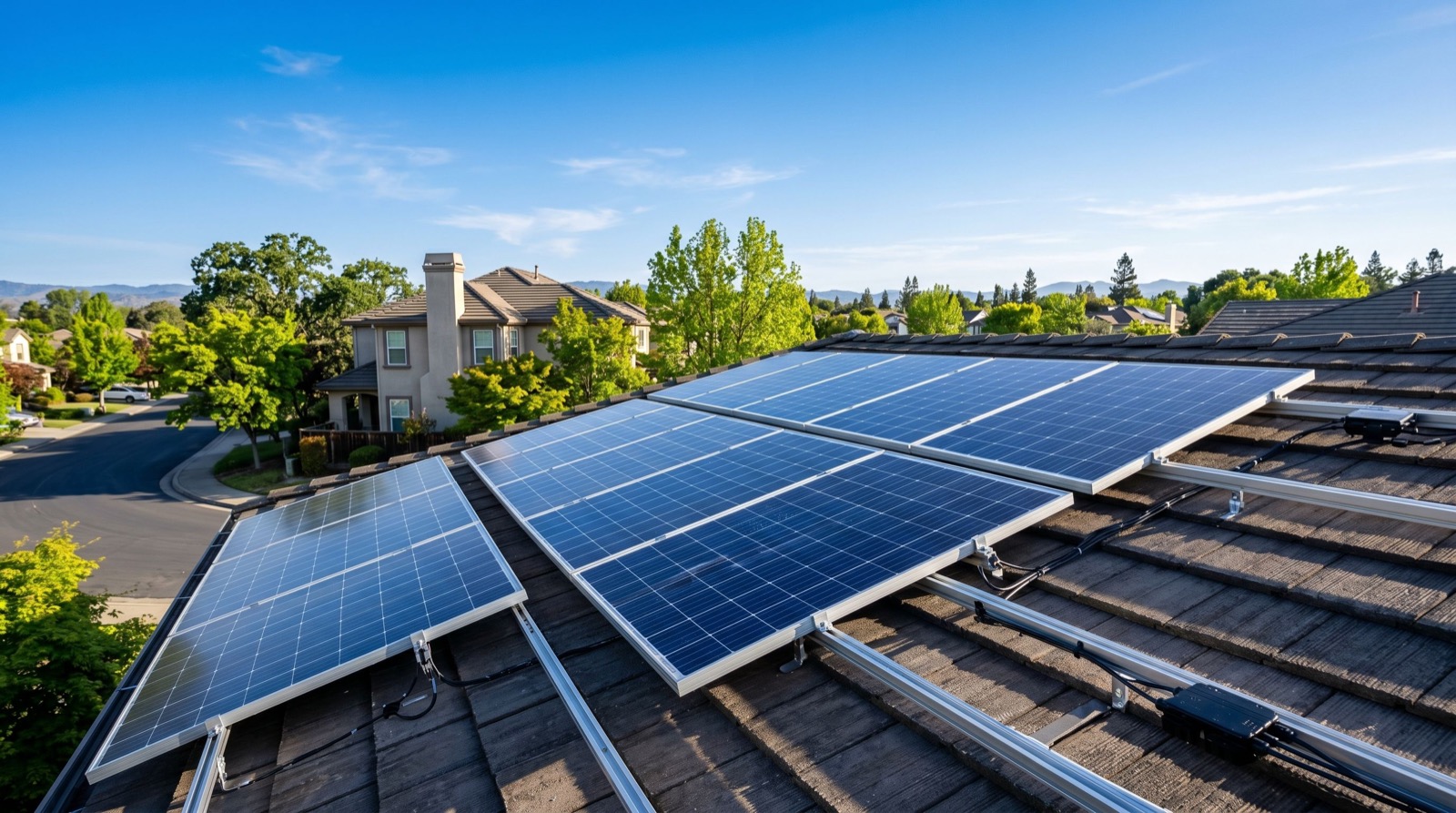
Since 2024, panel prices per watt have fallen sharply thanks to global oversupply of Tier-1 modules. That means a 5kW system in 2026 is noticeably cheaper than it was three years ago, even though the rupee has weakened. Working with a Best Solar Company ensures you get genuine Tier-1 hardware instead of grey-market stock.
Typical 2026 Price Ranges by System Size
The table below reflects average installed prices for on-grid systems in the twin cities. Prices include panels, inverter, structure, wiring, and net-metering paperwork, but exclude lithium batteries unless noted.
| System Size | Monthly Units (kWh) | Approx. Installed Cost (PKR) | Best For |
|---|---|---|---|
| 3 kW | 360–420 | 550,000–680,000 | Small homes, 1–2 ACs |
| 5 kW | 600–720 | 850,000–1,050,000 | Standard family home |
| 10 kW | 1,200–1,450 | 1,700,000–2,100,000 | Large homes, small offices |
| 15 kW | 1,800–2,150 | 2,600,000–3,150,000 | Commercial, big villas |
These figures shift with the dollar rate and brand, so always request an itemised quote. Homeowners searching for reliable solar panels in Rawalpindi should compare at least three written proposals before deciding.
How Long Is the Real Payback Period?
Payback is where solar gets exciting. With grid tariffs for protected slabs now well above PKR 40 per unit for many consumers, a well-sized system typically pays for itself within three to four years. After that, you enjoy roughly two decades of nearly free electricity.
Consider a 5kW system costing around PKR 950,000. If it offsets 650 units a month at an effective PKR 45 per unit, that is roughly PKR 29,000 saved monthly, or about PKR 350,000 a year. Simple math puts full payback near the 33-month mark, after which savings are pure profit.
- Faster payback: high daytime usage, net metering, premium tariff slabs.
- Slower payback: heavy night usage without batteries, shaded roofs, oversized systems.
- Best case: pairing solar with efficient inverter ACs to maximise daytime self-consumption.
Steps to Calculate Your Own Payback
- Pull your last 12 electricity bills and note average monthly units.
- Multiply your units by your real per-unit tariff, including taxes and surcharges.
- Match a system size that covers 80–100% of that consumption.
- Divide the installed cost by your annual savings to get payback in years.
- Add net-metering export credits, which shorten the timeline further.
Does Net Metering Improve Solar Panel Cost Recovery?
Absolutely. Under NEPRA’s net-metering framework, surplus daytime energy flows back to the grid and offsets your night-time consumption. This effectively turns the national grid into a free battery, sharpening your return without extra hardware spend.
Approval in Islamabad and Rawalpindi has become smoother in 2026, though paperwork still requires an AEDB-approved vendor. You can review the official process and consumer rights directly on the NEPRA website before committing. Choosing dependable specialists who handle the net-metering application end to end saves weeks of back-and-forth.
Hidden Costs People Forget
Sticker price is not the whole story. Smart buyers budget for a few extras that protect the investment and keep output high over the years.
- Elevated structures: raised mounting for airflow adds cost but boosts summer yield.
- Surge protection: essential given the twin cities’ unstable grid and lightning storms.
- Cleaning and maintenance: dusty seasons cut output, so plan periodic washing.
- Battery upgrades: optional lithium backup for load-shedding resilience.
Factoring these in gives you a realistic total, not a lowball figure that balloons later. A transparent installer itemises every line so there are no surprises on installation day.
How to Get the Best Value on Your Purchase
Smart buyers treat a solar purchase like any major investment: they compare, verify, and negotiate. The lowest quote rarely delivers the best lifetime value, so weigh warranty, brand reputation, and after-sales support alongside price.
Start by confirming that every panel is a genuine Tier-1 module with a serial you can verify online. Then ask each installer for a written performance estimate, not just a headline wattage. This lets you compare apples to apples across proposals.
- Check references: ask for recent local installations you can visit or call.
- Confirm warranties: separate panel, inverter, and workmanship coverage in writing.
- Negotiate structure quality: galvanised or aluminium mounting resists twin-city monsoons.
- Verify net-metering support: ensure the installer files and follows up on your application.
Timing helps too. Prices often dip when new panel shipments arrive, so a patient buyer can save meaningfully. Just avoid stretching the wait so long that another summer of sky-high bills erodes those savings.
Finally, insist on a proper site survey before signing. A rushed quote based on a phone call almost always misses shading, roof strength, or wiring quirks that inflate the final bill. A thorough survey protects both your budget and your expected output.
Frequently Asked Questions
Is solar still worth it in Pakistan in 2026?
Yes. With grid tariffs climbing and panel prices down, payback periods of three to four years are common. Over a 25-year panel lifespan, the lifetime savings far exceed the initial solar panel cost in Pakistan.
How much does a 5kW solar system cost in Rawalpindi?
In 2026, a quality on-grid 5kW system typically runs between PKR 850,000 and 1,050,000 installed, depending on panel brand, inverter choice, and mounting requirements.
Do I need batteries to save money?
No. On-grid net-metered systems save money without batteries by exporting surplus daytime energy. Batteries add backup during load-shedding but lengthen payback, so many households start battery-free.
How long do solar panels last?
Tier-1 panels carry performance warranties of 25 years and often keep producing beyond that at slightly reduced output. Inverters usually need replacement once, around the 8–12 year mark.
Final Thoughts and Next Steps
The real solar panel cost in Pakistan is far lower than most people fear once you weigh it against fast-rising grid bills and a payback window of just a few years. Do the math on your own consumption, insist on Tier-1 hardware, and confirm net-metering support before you buy.
Ready to lock in decades of cheaper power? Request an itemised, honest quote from a trusted local installer today and start your countdown to energy independence.